True mineralisation
Eliminates PFAS rather than concentrating it.
PFAS regulation is tightening and liability is increasing. Most technologies only concentrate PFAS, passing the burden downstream. PFASuiki eliminates that risk by permanently destroying PFAS via electrochemical oxidation.
Let's discuss pilot possibilities for 2026-2027.

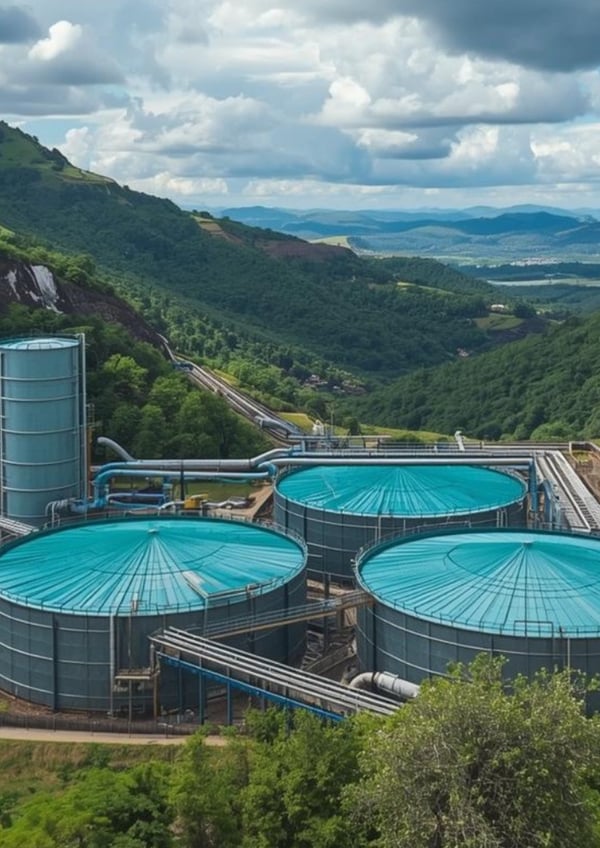
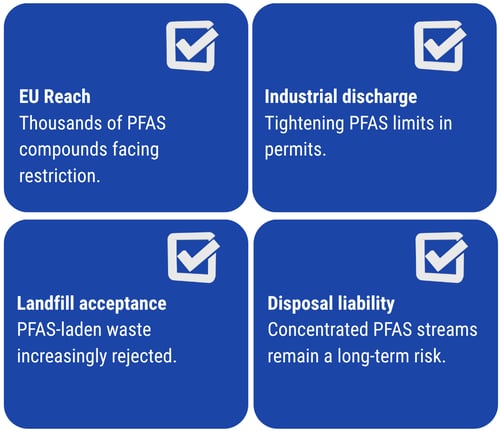
Most treatment technologies don't destroy PFAS. They transfer it into spent media and concentrate streams, creating reliance on limited and costly disposal pathways.
Which leaves one question: Where does the PFAS actually go?
And exposes a growing gap: Reliable, on-site PFAS destruction.
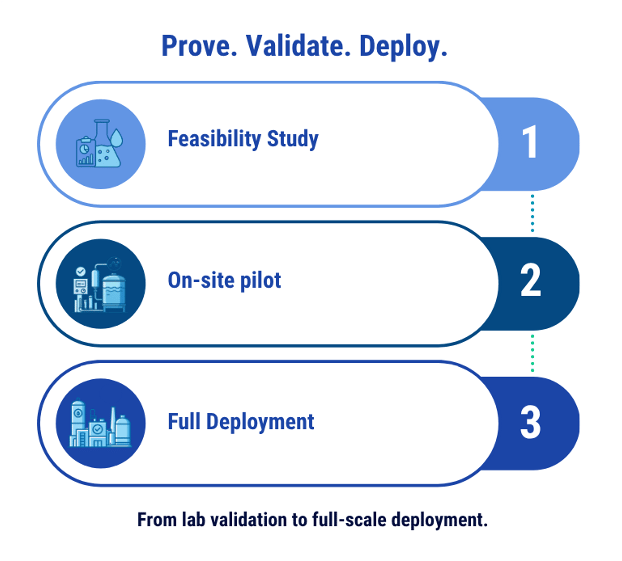
Three-stage engineering pathway. Each step de-risks the next.
01 Feasibility study: Quantify PFAS destruction kinetics in your matrix. Define performance and energy requirements.
02 Pilot: Validate performance under real operating conditions. Generate compliance-ready data.
03 Implementation: Deploy a full-scale integrated system. Ensure PFAS destruction onsite.
PFASuiki destroys PFAS at the molecular level via electrochemical oxidation - cleaving the carbon–fluorine bond and mineralizing it to CO₂ and fluoride ions.
No concentrates. No incineration dependency.
Rapid verification using LC/MS and CIC.
Complex, high-strength leachate and increasing disposal constraints are making PFAS waste streams harder and more costly to manage.
→ PFASuiki fit: On-site solution, integrating destruction designed for a wide range of complex matrices.
Legacy foam contamination and tightening REACH restrictions creating liability exposure.
→ PFASuiki fit: Destruction of high-concentration PFAS streams from foam rinsate and remediation systems.
Increasing PFAS discharge limits and operational permitting risk.
→ PFASuiki fit: Modular destruction units integrated directly into existing treatment systems.
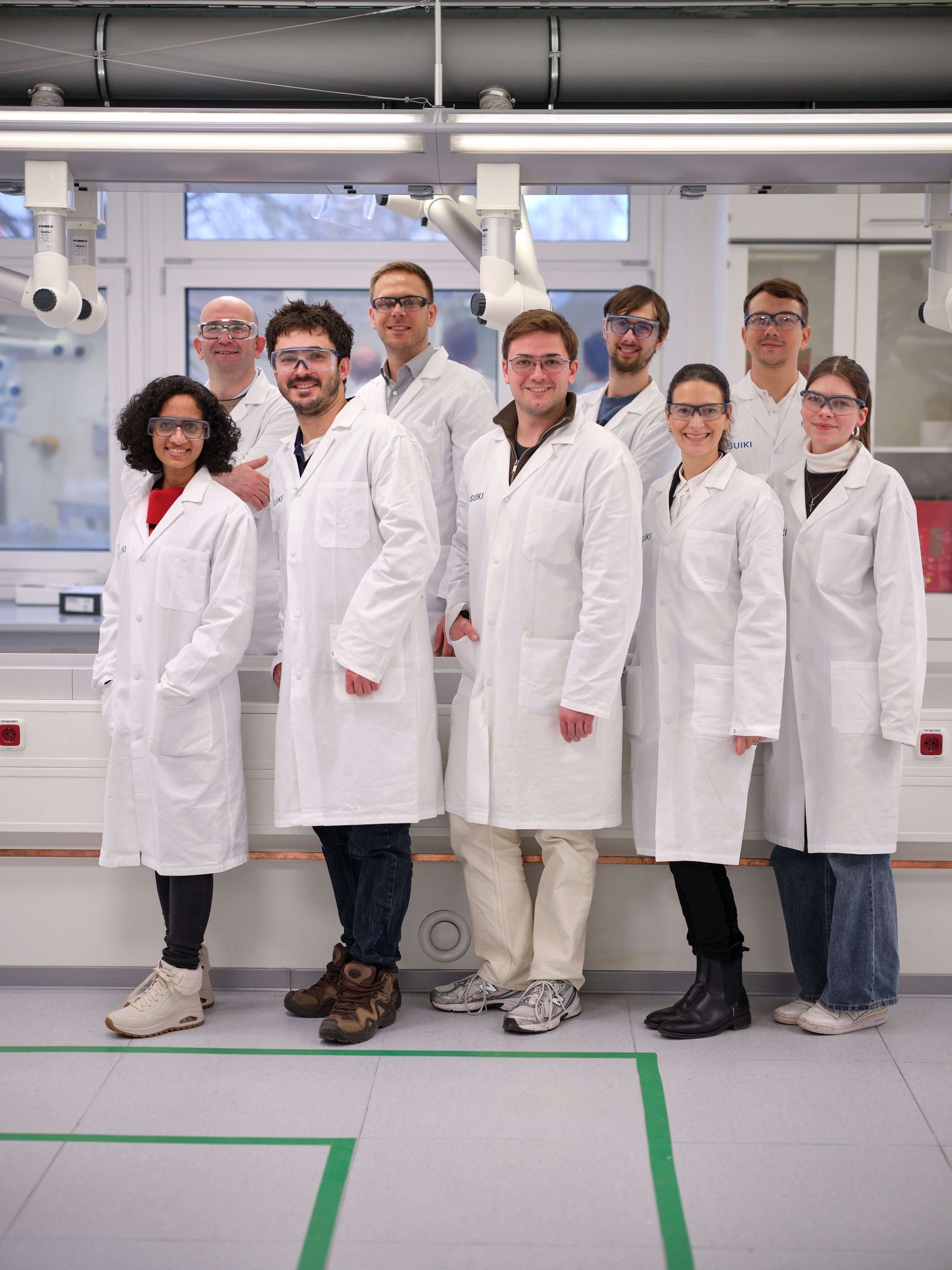
PFASuiki combines advanced electrochemical engineering with industrial materials expertise to deliver scalable PFAS destruction.
Key strengths:
From lab validation to deployable systems - engineered for real-world performance.